

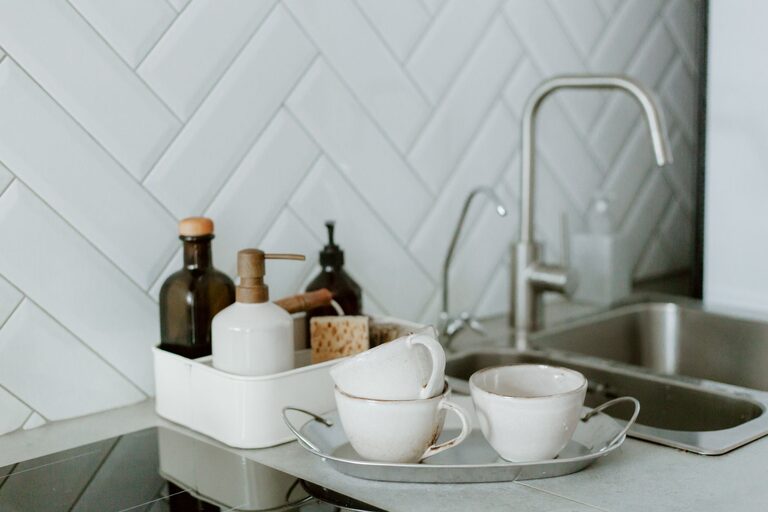
A clutter-free kitchen counter can make the entire room feel cleaner, calmer, and easier to use. When countertops are covered with appliances, mail, dishes, and random household items, cooking becomes more difficult and cleaning takes longer.
The good news is that you do not need a complete kitchen makeover to regain control. With a thoughtful sorting process, practical storage, and a few simple habits, you can keep your counters clear every day.
Start With a Clean Slate
Before deciding where everything should go, remove all items from the counters. Place them on a nearby table, dining surface, or clean section of the floor. This gives you a clear view of the space and helps you see how much has collected over time.
Clean the empty counters with a suitable surface cleaner. Starting with a clean surface makes it easier to decide what truly belongs there.
As you remove each item, sort it into four groups:
– Keep on the counter
– Store elsewhere
– Donate or discard
– Decide later
Try to avoid putting items back immediately. The goal is to make thoughtful choices rather than simply rearrange the clutter.
Decide What Deserves Counter Space
Kitchen counters are valuable working areas, so they should be reserved for items you use regularly. A coffee maker used every morning may deserve a permanent spot. A blender used once a month may be better stored in a cabinet.
Ask yourself these questions:
– How often do I use this item?
– Does it need to stay connected to an outlet?
– Is it too heavy or awkward to move regularly?
– Does keeping it out save meaningful time?
– Do I have enough room to work comfortably?
A helpful rule is to keep only daily-use items or pieces that are difficult to store. Everything else should have a designated home somewhere else.
Create Counter Zones
Instead of spreading items across the entire counter, create small zones for specific tasks. For example, you might have:
– A coffee zone with the coffee maker, mugs, and filters
– A cooking zone near the stove for oils and frequently used tools
– A food preparation zone near a cutting board
– A baking zone for commonly used ingredients
Keeping related items together makes the kitchen easier to use and prevents objects from drifting into random areas.
Store Appliances More Strategically
Small appliances are often the biggest source of counter clutter. To decide where they belong, group them by how frequently you use them.
Daily-use appliances can remain on the counter if they do not interfere with food preparation. Weekly or occasional appliances should go in a cabinet, pantry, or storage closet.
If cabinet space is limited, consider these options:
– Use a lower cabinet for heavy appliances
– Add a pull-out shelf for easier access
– Store similar appliances together
– Keep attachments inside the appliance or in a labeled container
– Use a rolling cart for appliances that need to be moved often
– Place rarely used items on a high shelf if they are safe to lift
Avoid storing heavy appliances above shoulder height. A convenient storage location should be easy and safe to access.
Give Everyday Items a Home
Clutter often returns when items do not have a clear place to go. Create a specific home for common counter items such as keys, mail, reusable bags, water bottles, and charging cables.
A small basket near the kitchen entrance can collect items that need to be moved to another room. Empty it regularly so the basket does not become a permanent storage pile.
For mail and papers, use a wall-mounted file holder or a small tray. Set a regular time to sort them instead of allowing papers to spread across the counter.
You can also use:
– A tray for oils and seasonings
– A container for cooking utensils
– A holder for cutting boards
– A basket for fruit
– A small bin for recyclable paper
– Hooks for towels and oven mitts
The most effective storage solutions are easy to use. If putting something away takes several steps, it is less likely to happen consistently.
Make Better Use of Vertical Space
When counter space is limited, look upward. Walls, cabinet doors, and the sides of cabinets can provide useful storage without taking up valuable work areas.
Consider installing or adding:
– A wall rail with hooks
– A magnetic strip for suitable kitchen tools
– Shelves for spices or small containers
– An over-the-door organizer
– Hooks under cabinets
– A pegboard for flexible storage
Keep vertical storage neat and selective. Too many items on display can make the kitchen feel just as busy as a crowded counter. Choose items that are used often and arrange them in a simple, organized way.
Control Visual Clutter
Even useful items can make a kitchen look untidy when there are too many colors, labels, and containers in view. Reduce visual clutter by grouping similar items and limiting the number of objects on display.
If you keep ingredients on the counter, use matching containers or a single tray. A tray creates a visual boundary and makes it easier to move several items when cleaning.
You can also keep packaging out of sight by transferring frequently used dry goods into labeled containers. Choose containers that fit your cabinets and are easy to open and refill.
Aim for a balanced look rather than a completely empty kitchen. A few useful, attractive items can make the room feel welcoming without taking over the workspace.
Build a Simple Daily Reset
A short daily reset is one of the best ways to maintain clear counters. Set aside five to ten minutes at the end of the day to return items to their proper places.
A simple routine might include:
- Put away clean dishes and appliances.
- Return ingredients to the pantry or refrigerator.
- Move mail and personal items to their assigned locations.
- Wipe the counters.
- Empty any small collection baskets that are full.
- Check the floor and sink for items that need attention.
This routine prevents small messes from becoming overwhelming. It is usually easier to maintain an organized kitchen than to reorganize one after several weeks of buildup.
Use a One-In, One-Out Rule
When you bring a new kitchen item into your home, decide whether an older item should leave. This rule is especially useful for mugs, water bottles, storage containers, and countertop appliances.
Before buying something new, check whether you already own a similar item. If you do, consider whether the new version offers a real improvement or simply adds another object to store.
Being selective helps protect your available space and keeps clutter from returning.
Review the Counters Regularly
Your kitchen needs may change over time. Seasonal appliances, new cooking habits, or changes in household routines can all affect how much counter space you need.
Every few months, take a quick look at the counters and ask:
– Are these items still being used?
– Is anything stored here because it lacks a proper home?
– Could a drawer, cabinet, or wall hold this more effectively?
– Is there enough open space for food preparation?
– What can be removed or simplified?
A regular review keeps your system practical and prevents temporary clutter from becoming permanent.
Enjoy a More Usable Kitchen
Clutter-free counters are not about creating a perfect showroom. They are about making the kitchen more comfortable and functional for everyday life. Keep the items you use most, store occasional items thoughtfully, and give everything else a clear destination.
Once you combine smart storage with a short daily reset, clear counters become easier to maintain. You will have more room to prepare meals, less to clean, and a kitchen that feels more enjoyable to use.