

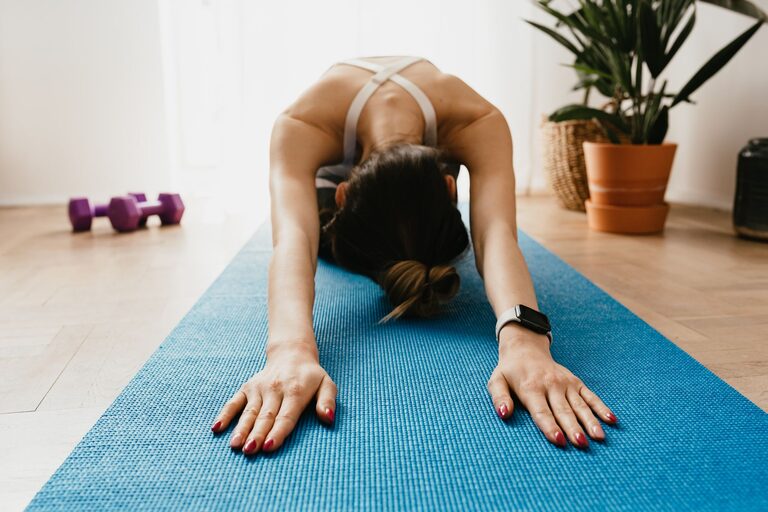
Stretching is a simple way to add movement to your day. It requires little space, no special equipment, and only a few minutes at a time. A regular routine can help you feel more comfortable during everyday activities and prepare your body for other forms of exercise.
If you are new to stretching, the most important goal is not to become flexible overnight. Instead, focus on moving slowly, breathing naturally, and building a habit that feels manageable.
What Is Stretching?
Stretching involves gently moving your muscles and joints through a comfortable range of motion. Some stretches are held in one position, while others use slow, controlled movements.
The two most common types are:
– Static stretching: Holding a gentle position for a set amount of time.
– Dynamic stretching: Moving smoothly through a range of motion without holding one position for long.
Both types can be useful. Dynamic movements are often a good choice before exercise, while static stretches may fit well into a cool-down or relaxing routine.
Benefits of Stretching at Home
A few minutes of stretching can be an easy way to add movement to your daily schedule. Possible benefits include:
– Supporting everyday mobility
– Helping you move more comfortably
– Easing the feeling of stiffness after sitting
– Preparing your body for physical activity
– Encouraging better body awareness
– Creating a calming break during the day
Stretching works best as part of a balanced routine that also includes regular movement, rest, and activities you enjoy.
Create a Comfortable Stretching Space
You do not need a large room or expensive gear. Choose a clear, stable area where you can move without bumping into furniture. A yoga mat, folded towel, or carpet can provide extra comfort, especially for seated or floor-based stretches.
Wear clothing that lets you move freely. Stretching barefoot or in supportive, comfortable shoes is usually fine, depending on the surface and the movements you choose.
Before you begin, keep these simple points in mind:
– Remove objects that could cause you to trip.
– Use a wall or sturdy chair for balance when needed.
– Keep water nearby if you are exercising in a warm room.
– Choose a time when you are unlikely to be rushed.
– Start with a short routine and build gradually.
How to Stretch Safely
Stretching should feel gentle and controlled. You may notice mild tension, but you should not force a position or bounce to move farther.
Follow these basic guidelines:
- **Warm up first.** Walk around your home, march in place, or move your arms gently for three to five minutes.
- **Move slowly.** Enter and leave each stretch with control.
- **Breathe naturally.** Avoid holding your breath. Slow breathing can help you stay relaxed.
- **Stay within a comfortable range.** Flexibility develops over time.
- **Avoid bouncing.** Smooth movements are easier to control.
- **Pay attention to your body.** Stop if a movement causes sharp, sudden, or unusual discomfort.
- **Keep your posture relaxed.** Avoid shrugging your shoulders or gripping your muscles unnecessarily.
If you have a current injury, ongoing discomfort, or special movement concerns, consider getting personalized guidance from a qualified professional before starting a new routine.
Beginner Stretching Routine
The following routine takes about 10 minutes. Move through it slowly, and complete both sides when a stretch uses one side of the body.
1. Neck and Shoulder Release
Sit or stand tall with your shoulders relaxed. Slowly turn your head to look toward one side, return to center, and then turn toward the other side. Next, gently lower one ear toward the same-side shoulder without lifting the shoulder.
Hold each position for about 10 to 15 seconds. Keep the movement small and comfortable. Avoid rolling your head in wide circles.
Then, lift your shoulders toward your ears, hold briefly, and let them drop. Repeat five times.
2. Arm and Upper Back Stretch
Bring one arm across your chest. Use the opposite arm to support it gently above the elbow. Keep your shoulders down and hold for 15 to 20 seconds. Switch sides.
For the upper back, reach both arms forward and lightly clasp your hands. Round your upper back slightly while keeping your lower body relaxed. Hold for 15 seconds, then release.
3. Chest Opener
Stand beside a wall or doorway. Place one hand or forearm against the surface and slowly turn your body away until you feel a gentle stretch across your chest and front shoulder.
Keep your movement controlled and avoid twisting too far. Hold for 15 to 20 seconds, then repeat on the other side.
4. Standing Side Stretch
Stand with your feet about hip-width apart. Raise one arm overhead and gently lean to the opposite side. Keep both feet planted and face forward.
You should feel a stretch along the side of your body. Hold for 15 to 20 seconds, return to the center, and switch sides.
5. Standing Front Thigh Stretch
Hold a wall or chair for balance. Bend one knee and bring your heel toward your seat. If comfortable, hold the ankle or lower leg with the same-side hand.
Keep your knees close together and avoid pulling forcefully. Hold for 15 to 20 seconds, then switch sides. If reaching your foot is difficult, skip this stretch and choose a different comfortable movement.
6. Calf Stretch
Face a wall and place both hands on it. Step one foot back, keeping the heel down and the toes pointing forward. Bend the front knee slightly while keeping the back leg long.
Lean forward gently until you feel a stretch in the back calf of the extended leg. Hold for 20 seconds and switch sides.
7. Seated Hamstring Stretch
Sit on the edge of a sturdy chair with one leg extended and the heel resting on the floor. Keep your back long and lean forward slightly from your hips.
Do not round your back or reach aggressively toward your toes. Hold for 15 to 20 seconds, then switch legs.
How Often Should You Stretch?
For beginners, five to 10 minutes several days per week is a practical starting point. You can also divide stretching into short sessions, such as a few minutes after waking up and another brief session after work.
Consistency matters more than duration. A short routine you repeat regularly is often easier to maintain than a long session you do only occasionally.
Try linking stretching to an existing habit:
– After brushing your teeth
– During a work break
– After a short walk
– Before an evening shower
– While listening to a podcast
Common Beginner Mistakes
Avoiding a few common mistakes can make stretching more comfortable and enjoyable.
– Stretching cold: Begin with light movement before holding stretches.
– Pushing too hard: More intensity does not always mean better results.
– Comparing yourself with others: Flexibility varies naturally from person to person.
– Holding your breath: Relaxed breathing supports controlled movement.
– Ignoring balance: Use a wall or chair when necessary.
– Rushing through the routine: Give each movement enough time to feel steady.
– Expecting instant results: Progress usually comes gradually.
Make Stretching a Lasting Habit
Keep your routine simple at first. Choose four or five stretches that feel useful and repeat them consistently. As the routine becomes familiar, you can add movements for areas that feel tight after sitting, walking, or other activities.
You can also track your progress by noting how comfortable a movement feels rather than measuring how far you can reach. The aim is to move with control and confidence.
Stretching at home is an accessible way to include more movement in your day. Start gently, breathe steadily, and give yourself time to improve. With regular practice, a simple routine can become a relaxing and useful part of your everyday schedule.