

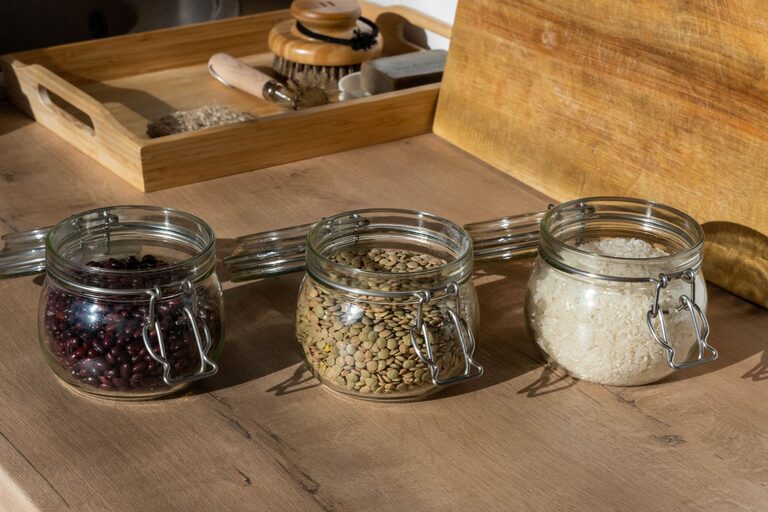
Planning meals from pantry staples can save time, reduce food waste, and make busy days easier. Instead of starting with a recipe every time, you can build meals around a few dependable ingredients and add fresh or frozen foods when available.
The key is to know what you have, understand how ingredients work together, and create a flexible plan that can change as needed. With a little organization, items such as rice, pasta, beans, canned tomatoes, oats, and spices can become the foundation for many different meals.
Start With a Pantry Inventory
Before planning your meals, take a quick inventory of your pantry, refrigerator, and freezer. You do not need a complicated spreadsheet. A simple list grouped by type is enough.
Group Ingredients by Category
Sort your food into broad categories such as:
– Grains: rice, pasta, oats, couscous, quinoa, and breadcrumbs
– Canned goods: beans, tomatoes, corn, peas, and tuna
– Dry goods: lentils, split peas, flour, and dried beans
– Flavor builders: broth, soy sauce, vinegar, oil, spices, and herbs
– Baking items: flour, sugar, baking powder, and nut butter
– Freezer items: frozen vegetables, fruit, bread, and cooked meat
Check expiration dates and place older items toward the front. This makes them easier to notice and helps you use them first.
It is also useful to note ingredients that need to be used soon. Fresh vegetables, opened dairy products, and leftovers can guide your meal choices for the week.
Choose a Few Meal Formats
Rather than planning seven completely different recipes, choose a few basic meal formats. This gives you structure while leaving room for substitutions.
Useful meal formats include:
– Grain bowls with rice, beans, vegetables, and a sauce
– Pasta with canned tomatoes, vegetables, or beans
– Soups and stews made with broth, grains, legumes, and vegetables
– Tacos or wraps filled with beans, rice, vegetables, or leftover meat
– Casseroles made with pasta, rice, vegetables, and a simple sauce
– Breakfast bowls with oats, fruit, yogurt, or nut butter
– Skillet meals combining a grain, protein, vegetables, and seasonings
Once you choose a format, you can use the ingredients you already have instead of shopping for a long list of specific items.
Build Meals With a Simple Formula
A balanced pantry-based meal often includes four parts:
- **A base:** rice, pasta, potatoes, oats, bread, or another grain
- **A protein source:** beans, lentils, chickpeas, eggs, canned fish, tofu, or meat
- **A vegetable or fruit:** fresh, frozen, or canned produce
- **A flavor element:** herbs, spices, cheese, dressing, salsa, or sauce
You do not need every part in equal amounts, and not every meal needs to follow the formula exactly. The goal is to create a useful starting point.
For example, rice, canned beans, frozen corn, and salsa can become a bowl. Pasta, canned tomatoes, lentils, and Italian seasoning can become a hearty sauce. Oats, applesauce, cinnamon, and nut butter can make a quick breakfast.
Plan Around Ingredients That Can Be Reused
Choose ingredients that work in several meals. This reduces waste and keeps your shopping list manageable.
For example, cooked rice can be used in:
– Bean and rice bowls
– Fried rice with frozen vegetables
– Soup
– Stuffed peppers
– Breakfast rice with milk, fruit, and cinnamon
Canned tomatoes can support:
– Pasta sauce
– Tomato soup
– Chili
– Shakshuka-style eggs
– A grain and bean stew
A pot of cooked beans or lentils can also be used in salads, wraps, soups, and skillet meals. Preparing one larger batch can save time, but you can also use canned versions for convenience.
Create a Flexible Weekly Plan
A weekly plan does not have to assign one exact meal to every day. Instead, write down a few meal options and arrange them based on your schedule.
A simple plan might look like this:
Breakfasts
– Oatmeal with fruit and nut butter
– Toast with eggs
– Yogurt with oats and canned or frozen fruit
Lunches
– Leftover grain bowls
– Bean and vegetable wraps
– Lentil soup with bread
Dinners
– Pasta with tomato and bean sauce
– Rice bowls with frozen vegetables
– Potato and chickpea curry
– Pantry soup with noodles
Leave one or two meals open for leftovers, takeout, or changes in plans. A flexible schedule is easier to maintain than a strict one.
Keep a Small Set of Flavor Combinations
The same basic ingredients can taste very different with a change in seasoning. Keep a few flavor combinations in mind when planning meals.
Italian-Inspired
Use canned tomatoes, garlic, basil, oregano, pasta, beans, and Parmesan or another cheese.
Mexican-Inspired
Combine beans, rice, corn, tomatoes, chili powder, cumin, salsa, and tortillas.
Mediterranean-Inspired
Try chickpeas, couscous, canned fish, olives, lemon juice, oregano, and a simple oil-based dressing.
Asian-Inspired
Use rice or noodles with soy sauce, ginger, garlic, sesame oil, frozen vegetables, and eggs or tofu.
These combinations are not strict recipes. They are guidelines that help you decide which seasonings and ingredients belong together.
Shop for Fresh Additions Strategically
Pantry meals become more varied when you add a few fresh ingredients. Choose foods that can be used in several ways and store well.
Good options include:
– Onions and garlic
– Carrots and cabbage
– Potatoes and sweet potatoes
– Apples and bananas
– Eggs
– Milk or a milk alternative
– Cheese
– Leafy greens
– Lemons or limes
Frozen vegetables and fruit are also useful. They are convenient, often last longer than fresh produce, and can be added to soups, pasta, rice dishes, smoothies, and baked goods.
Instead of buying fresh ingredients for one recipe, choose items that fit multiple meal formats. For example, spinach can go into eggs, pasta, soup, wraps, or smoothies.
Make a “Use It Up” Meal
At the end of the week, combine ingredients that need attention into one meal. This may be a soup, fried rice, pasta dish, casserole, or frittata.
A use-it-up meal might include:
– Leftover rice
– A can of beans
– Frozen vegetables
– Half an onion
– A small amount of cheese
– Broth or a simple sauce
These meals are often the most flexible because they do not depend on a precise recipe. Taste as you go and adjust the seasoning gradually.
Store and Label Prepared Foods
If you cook grains, beans, or soup ahead of time, store them in covered containers and label them with the date. Keep portions easy to see so leftovers do not get forgotten.
Let hot food cool appropriately before storing, and follow food safety guidance for refrigeration and reheating. When in doubt, use leftovers sooner rather than later.
Freezing extra portions can also help. Soups, cooked beans, sauces, and many casseroles usually freeze well. Divide them into meal-sized portions for easier use.
Keep Planning Simple
The best meal plan is one you can follow. Start with three or four planned dinners rather than trying to organize every meal for an entire month.
Each week, ask yourself:
– What do I already have?
– What needs to be used soon?
– Which meals can share ingredients?
– What can I prepare ahead?
– Which fresh items will add the most variety?
With a basic inventory, a few meal formats, and flexible flavor combinations, pantry staples can support a wide range of meals. Planning this way makes cooking more manageable and helps you make the most of the food already in your kitchen.