

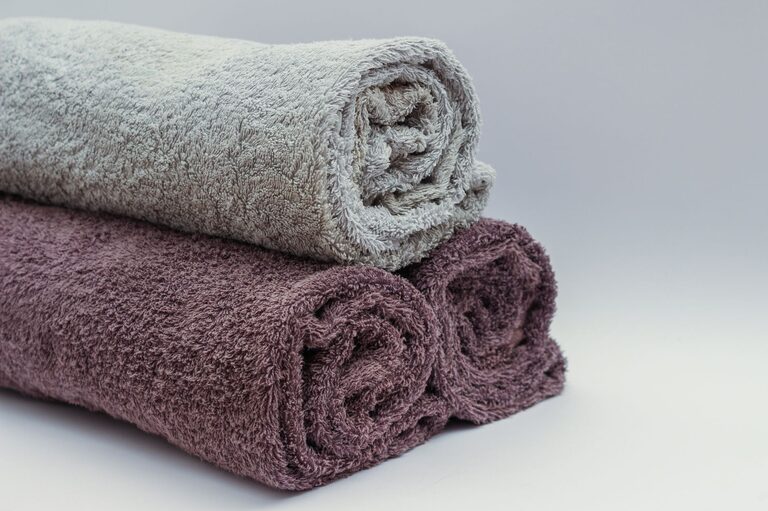
Towels work hard every day, absorbing water, body oils, soap, and moisture. Without proper care, they can start to smell musty, feel stiff, or lose their softness. Fortunately, a few simple laundry and storage habits can help keep them fresh, fluffy, and comfortable.
From choosing the right wash settings to avoiding common drying mistakes, these tips will help your towels stay in better condition for longer.
Wash Towels Separately
Washing towels with clothing can create several problems. Towels produce lint, need plenty of room to move, and often require a different wash routine than delicate garments. Zippers, hooks, and rough fabrics can also damage towel fibers.
When possible, wash towels in a separate load. This allows you to:
– Use the right water temperature
– Avoid transferring lint to clothing
– Give towels enough space to rinse properly
– Choose a longer or more thorough cycle when needed
– Keep delicate items from rubbing against heavy fabrics
Avoid overloading the washing machine. A tightly packed drum prevents water and detergent from moving freely through the towels, which can leave behind soap, body oils, and unpleasant odors.
Use the Right Amount of Detergent
More detergent does not always mean cleaner towels. Excess detergent can build up in the fibers, making towels feel waxy, stiff, or less absorbent. It may also trap odors rather than remove them.
Follow the detergent label for the size of your load and the hardness of your water. If your towels feel coated or do not absorb water well, try using slightly less detergent for a few washes.
Liquid and powder detergents can both work well. The most important factors are using the correct amount and allowing the towels to rinse thoroughly.
Skip Fabric Softener
Fabric softener can make towels feel smooth at first, but it may leave a coating on the fibers. Over time, that coating can reduce absorbency and cause towels to repel water instead of soaking it up.
For soft, absorbent towels, wash them without fabric softener. If you enjoy a light scent, choose a detergent with a mild fragrance rather than adding extra softening products.
Choose a Suitable Water Temperature
Warm water is often helpful for removing body oils and residue from bath towels. However, always check the care label first, especially for towels made from bamboo, microfiber, or other specialty materials.
A general approach is:
– Use warm water for regular towel loads when the care label allows it.
– Use cool water for bright colors or delicate materials.
– Use hot water only when recommended by the manufacturer and suitable for the fabric.
– Avoid extreme temperatures that may cause shrinking or fading.
The right temperature depends on the towel material, color, and level of dirt. A good detergent and thorough rinse are just as important as water temperature.
Add an Extra Rinse When Needed
An extra rinse can help remove leftover detergent, especially if you have hard water or use a high-efficiency washing machine. It may also be useful for towels that feel stiff, have a strong detergent smell, or irritate sensitive skin.
Do not use an extra rinse for every load unless necessary, since it uses additional water and energy. Instead, try it when towels seem coated or when a regular cycle does not leave them feeling clean.
Avoid Washing Towels Too Frequently or Too Rarely
Bath towels should be allowed to dry fully between uses. If a towel is hung spread out in a well-ventilated room, it can often be used several times before washing. Hand towels and washcloths may need more frequent washing because they are handled more often and can stay damp.
Wash towels sooner if they:
– Remain damp for long periods
– Develop a musty smell
– Are used after exercise or outdoor activities
– Are shared by several people
– Come into contact with lotions, oils, or heavy soil
Washing towels too often can wear out the fibers, while waiting too long can allow odors and buildup to become more difficult to remove. Let the towel’s condition guide your routine.
Dry Towels Quickly and Thoroughly
Damp towels are more likely to develop a musty smell. After washing, remove them from the machine promptly rather than leaving them in the drum for hours.
For machine drying, use a moderate heat setting that matches the care label. High heat may damage fibers, cause shrinkage, and reduce the towel’s lifespan. Drying balls can help separate the towels and improve airflow, although they are optional.
If you air-dry towels, hang them fully open rather than folded over a narrow bar. Place them in an area with good airflow and, when possible, sunlight. Make sure they are completely dry before folding and storing them.
Do Not Overdry
Overdrying can make towels feel rough and brittle. Check them near the end of the cycle and remove them as soon as they are dry. If the edges feel crisp or the fabric loses its flexibility, try using less heat or a shorter drying cycle.
A brief tumble on low heat can help loosen fibers after air-drying, provided the care label allows it.
Refresh Musty Towels Carefully
If towels develop a stubborn odor, wash them promptly and dry them completely. Running a separate wash with an appropriate amount of detergent may be enough to refresh them.
Some people use a small amount of plain white vinegar in the rinse compartment to help remove residue. If you choose this method, follow your washing machine instructions and do not combine vinegar with bleach or other cleaning products. Never mix cleaning products, since some combinations can create dangerous fumes.
If the odor remains after washing and drying, inspect the washing machine. Residue around the door seal, detergent drawer, or drum can transfer smells to laundry. Clean the machine according to the manufacturer’s instructions.
Keep the Washing Machine Clean
A clean washing machine supports fresher laundry. Moisture and detergent residue can collect in hidden areas, especially in front-loading machines.
To maintain your machine:
– Leave the door or lid open between loads when safe to do so.
– Wipe the door seal and detergent drawer regularly.
– Remove lint and debris from the filter as directed.
– Run the machine’s cleaning cycle according to the manual.
– Avoid leaving wet towels inside after the cycle ends.
These simple steps can reduce musty odors and help towels come out cleaner.
Store Towels the Right Way
Only fold and store towels once they are completely dry. Even slight dampness can create a stale smell in a closed cabinet.
Keep towels in a cool, dry, well-ventilated space. Avoid packing them tightly, since compressed fabric has less opportunity to release moisture. If a linen closet tends to feel damp, leave extra space between stacks or use a breathable storage basket.
Fold towels loosely enough to preserve their shape. Rolling them can also be a useful option for bathrooms with limited shelf space. Rotate your supply so that older towels are used before newer ones.
Simple Habits That Make a Difference
A few everyday choices can help towels stay fresh:
– Hang towels fully open after each use.
– Do not place wet towels on the floor or in a closed hamper.
– Shake towels out before washing and drying.
– Keep loads small enough for good water and air movement.
– Remove towels from the washer as soon as the cycle finishes.
– Dry towels completely before folding them.
– Replace worn towels when the fibers become thin or damaged.
With the right balance of washing, rinsing, drying, and storage, towels can remain soft, absorbent, and fresh for many years. The key is to prevent moisture and product buildup while giving the fabric enough room to clean and dry properly.