

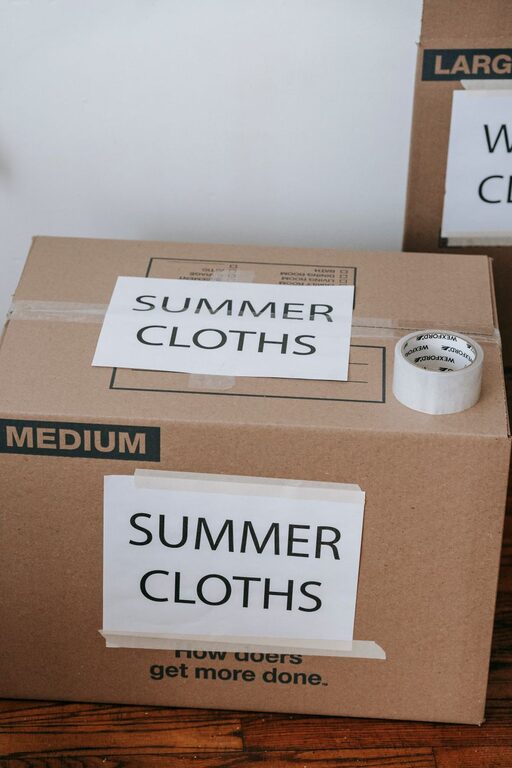
Changing clothes between seasons can make a home feel crowded, especially when closets and drawers are already full. Without a simple storage system, clothing can become wrinkled, difficult to find, or damaged by moisture and pests.
The good news is that seasonal clothing storage does not need to be complicated. With a little planning, the right containers, and a consistent labeling system, you can protect your clothes and make each seasonal change faster.
Start by Sorting Your Clothes
Before storing anything, review the clothes you no longer plan to wear for the current season. This is a useful opportunity to reduce clutter and avoid storing items that are damaged, uncomfortable, or no longer suitable.
Create four groups:
– Keep for next season
– Repair or clean
– Donate or give away
– Recycle or discard
Be selective when deciding what to keep. If you did not wear an item during the last season, consider whether it is likely to be useful next year. Clothing that no longer fits, feels uncomfortable, or does not match your current style may be taking up valuable storage space.
Set aside special items that need extra care, such as wool sweaters, formal clothing, leather accessories, and delicate fabrics.
Clean Everything Before Storage
Always clean clothes before placing them in storage. Even small traces of food, sweat, perfume, or body oils can attract insects and create unpleasant odors over time.
Follow the care label on each item. Wash or dry-clean clothing as recommended, and make sure everything is completely dry before packing it away. Damp fabric can develop mildew, especially in enclosed containers or humid areas.
Pay special attention to:
– Coat collars and cuffs
– Sweaters worn over several layers
– Socks and undergarments
– Sportswear
– Scarves, hats, and gloves
– Clothing with visible stains
Do not store stained clothing with clean items. Stains may become more difficult to remove after sitting for several months.
Choose the Right Storage Containers
The best container depends on the type of clothing, the storage location, and how often you need access to the items.
Plastic Bins
Plastic bins are useful for folded clothing because they protect against dust, moisture, and pests. Choose sturdy containers with secure lids. Clear bins make it easier to see the contents, while solid bins can protect clothing from light exposure.
Avoid filling bins so tightly that clothing becomes crushed. Leave enough room to remove items without pulling or forcing them out.
Fabric Storage Bags
Breathable fabric bags work well for sweaters, blankets, and other items that benefit from air circulation. They are especially useful for storage in a dry closet or on a shelf.
Look for bags with strong zippers and handles. Avoid placing fabric bags directly on a basement or garage floor, where they may be exposed to moisture.
Garment Bags
Use garment bags for suits, dresses, coats, and other clothing that should remain hanging. Breathable garment bags are generally better for long-term storage than sealed plastic covers, which can trap moisture.
Avoid overcrowding garments on a single hanger. Give each item enough space to keep its shape and prevent deep creases.
Vacuum Storage Bags
Vacuum bags can save space for bulky items such as puffer coats, ski clothing, and spare blankets. However, they are not suitable for every fabric. Long-term compression may flatten padded items or damage delicate materials.
Avoid using vacuum bags for leather, fur, structured clothing, or items that need to retain their shape. Always check the care instructions before compressing clothing.
Fold Clothes Carefully
Good folding helps prevent wrinkles and makes storage containers easier to organize. Fold heavier items at the bottom and lighter items on top. Avoid placing shoes or hard accessories directly against delicate fabrics.
For sweaters, knitwear, and stretchy clothing, folding is usually better than hanging. Hangers can create bumps at the shoulders or cause fabric to stretch over time.
A simple folding system includes:
- Fasten buttons and zippers.
- Smooth the fabric with your hands.
- Fold sleeves inward.
- Fold the garment into a compact rectangle.
- Place similar items together.
You can organize by clothing type, color, or how often you use each item. For example, keep jackets together, group warm tops in another section, and place accessories in a smaller container.
Protect Delicate and Special Fabrics
Some fabrics require more care than everyday cotton clothing. Wool, silk, linen, leather, and cashmere should be stored according to their specific needs.
Use acid-free tissue paper to help delicate items keep their shape and reduce creasing. Tissue paper can also be placed between layers of clothing to prevent friction.
For leather items, store them in a cool, dry place away from direct sunlight. Do not fold leather tightly, as this may create permanent creases. Use a padded hanger for leather jackets when possible.
Wool and cashmere should be cleaned before storage and kept in tightly closed containers. Natural-fiber clothing can attract pests, so inspect items before packing them away and keep storage areas clean.
Use Space Efficiently
You do not need a large storage room to store seasonal clothes effectively. Make use of the space already available in your home.
Helpful options include:
– Under-bed storage containers
– High closet shelves
– The back of closet doors
– Storage benches
– Empty luggage
– Top shelves in a wardrobe
– Hanging organizers
– Drawers under a bed
Place heavier containers on lower shelves or the floor to reduce the risk of falling. Keep frequently accessed items in easier-to-reach locations.
Luggage can be a practical storage option for clothing you only need once or twice a year. Just remember to label the luggage clearly so it does not become difficult to find before a trip.
Label Every Container
A clear labeling system saves time when the seasons change. Write the contents on at least two sides of each container so the label can be seen when bins are stacked.
Useful label details include:
– Season
– Clothing type
– Size, if storing children’s clothes
– Special care notes
– Items needed soon
For example, a label might read “Winter sweaters and scarves” or “Summer clothing, small sizes.” If you prefer a digital system, take a quick photo of each container and keep a simple list on your phone.
Avoid labels such as “miscellaneous.” Specific labels make it easier to find one item without opening every box.
Control the Storage Environment
The storage area should be cool, dry, and away from direct sunlight. Excess heat can damage some fabrics, while sunlight may fade colors. Moisture is one of the biggest risks because it can lead to mildew and musty odors.
Check the storage area before placing clothing there. Look for:
– Water leaks
– Condensation
– Poor ventilation
– Dust buildup
– Signs of insects
– Extreme temperature changes
If a room is humid, improve ventilation or use a suitable moisture-control product. Keep containers elevated from the floor if the area is prone to dampness.
Avoid storing clothing in places with strong odors, such as near paint, cleaning products, or fuel. Fabrics can absorb these smells over time.
Review Stored Clothes Regularly
Seasonal storage should not be completely forgotten. Check clothing at least once during the storage period, especially if it is kept in a basement, attic, or garage.
Look for moisture, odors, pests, or damaged containers. If you find a problem, remove the affected clothing, clean it according to the care label, and allow it to dry fully before repacking.
When the next season arrives, unpack gradually rather than opening every container at once. Inspect each item, clean or air it out as needed, and decide whether it still belongs in your wardrobe.
A consistent system makes seasonal clothing storage easier every year. Sort items before packing, clean them thoroughly, choose suitable containers, protect delicate fabrics, and label everything clearly. These simple habits can save space, reduce clutter, and help your clothes stay in good condition between seasons.